
Palms in the Psalms
The first time I ever came to Florida, I was eight years old (circa 1975). It didn’t seem real — it felt like stepping into a movie I had only ever seen on television. We flew down for my dad’s work conference and stayed at the Polynesian Village Resort, which, to my Boston-raised eyes, looked like pure magic. Everything felt bigger, brighter and somehow more magical than anywhere I had ever been. But nothing captured my attention quite like the palm trees.
I had never seen a palm tree before except on Gilligan’s Island. They were the most beautiful trees I had ever seen — tall and graceful, swaying like they knew something I didn’t yet understand. Back home in Massachusetts, trees were sturdy and familiar — oaks, elms and maples; the kind you could build forts in, climb or hide behind. But these palm trees felt alive in a different way, almost like they were part of the wonder and whimsy of the place itself. I remember thinking, how can something so simple feel so extraordinary? Their long fan-shaped leaves (fronds) stretching out in every direction like open hands catching the sunlight. ☀️
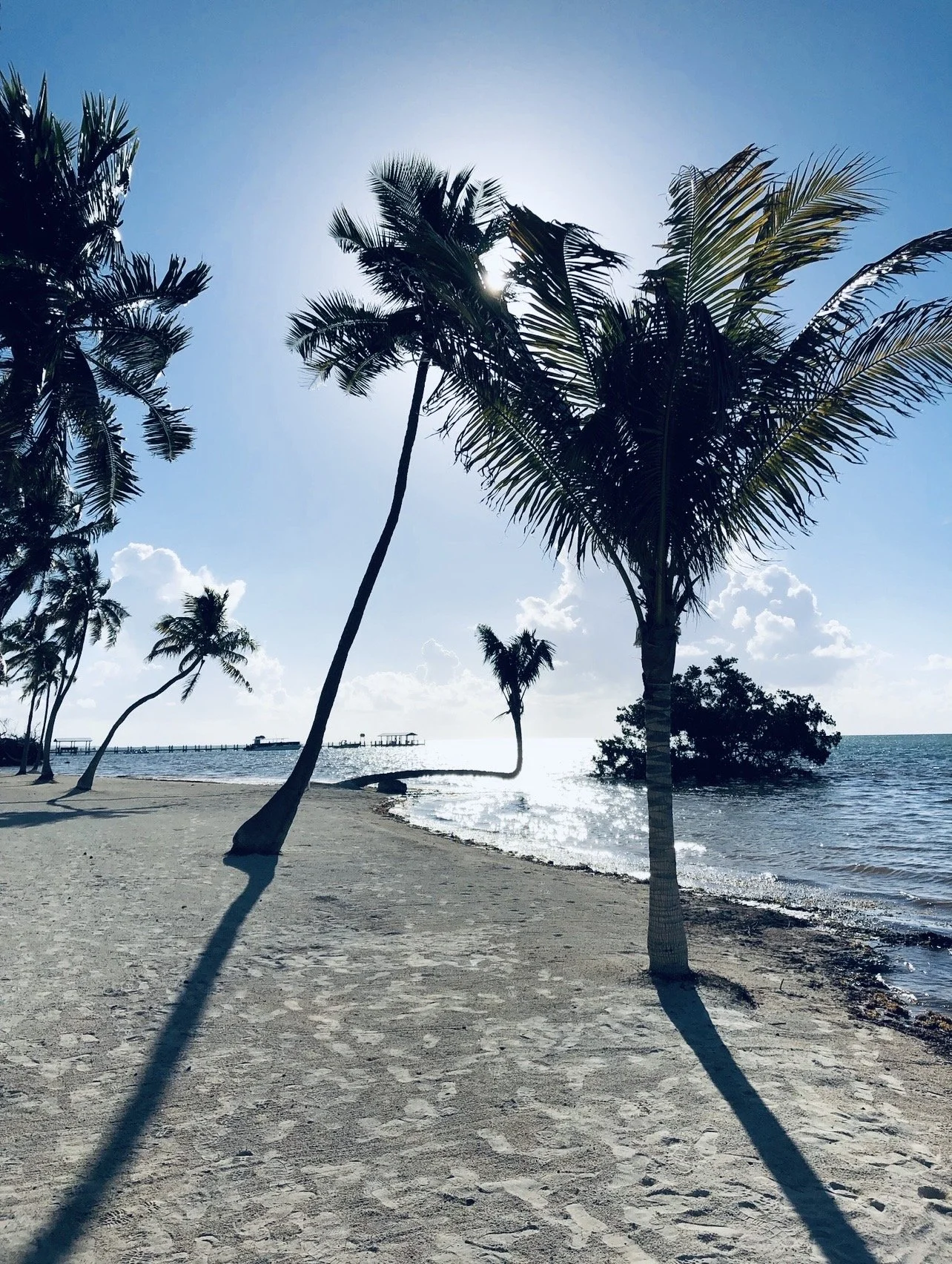
Looking back now on my five decades in the Sunshine State, there’s something about palm trees that just makes me pause for a second. Maybe its the way they lean a little, like they’re relaxed on purpose, or how they somehow thrive in heat that would wear everything else down. They don’t look like they have to try too hard to prove themselves.
So what is the connection between this wonderful tropical tree and Book of Psalms? I have been reading the Bible Recap and have just landed in Psalms. As I dive deeper into the Bible and my faith, this comparison made sense to me in a way I will try to explain. If psalms were prayers lifted upward towards heaven, then palms felt like nature’s version — reaching skyward, swaying in quiet devotion. The palms seemed to sing without sound. Their fronds rustled like pages turning, like verses carried by a gentle breeze.
The Book of Psalms is expressive and emotional. Some psalms are filled with praise, celebrating God’s greatness and creation. Others are cries for help during times of trouble or uncertainty. It is the Bible’s prayer and songbook — a place where faith and emotion meet. Palm trees and psalms share a quiet, poetic connection. Palms through motion, psalms through meaning.
There’s also a sense of resilience in both. Palm trees bend with strong winds but rarely break, adapting to Florida hurricanes and storms while staying rooted. Psalms reflect that same resilience — many written in times of struggle by King David, yet holding onto faith and perseverance.
Palm trees physically reach upward and psalms do too — not physically but spiritually — expressing longing, gratitude and hope. So I’m thinking of it this way: palm trees are like nature’s psalms — silent, swaying expressions of reaching upward, weathering life’s storms, and standing as reminders of something steady, firm and enduring. ✨
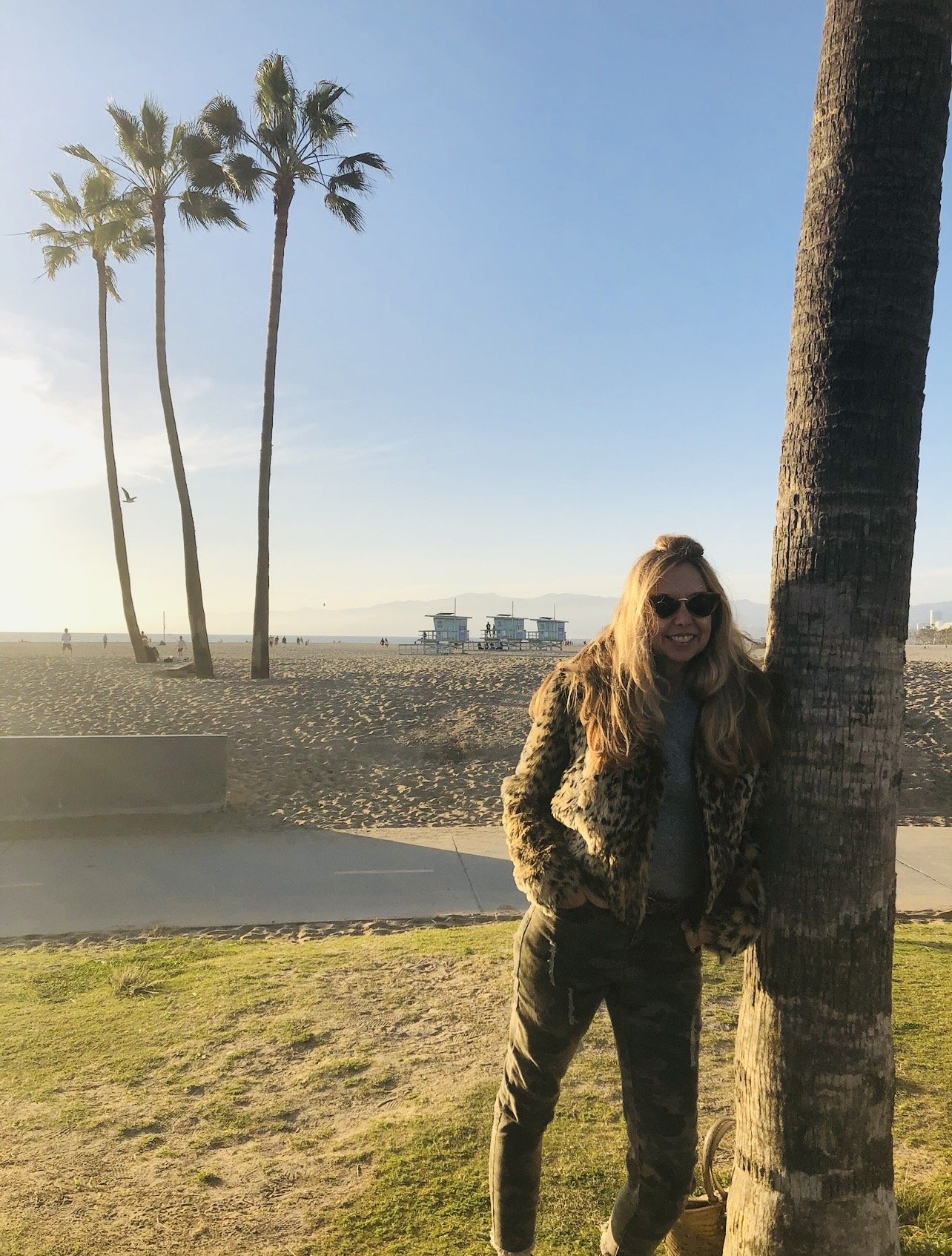
The righteous will flourish like a palm tree.
~Psalm 92:12